Torn between Paradise Valley and North Scottsdale? You’re not alone. Both areas offer sunshine, mountain views, and luxury living, but the day-to-day experience can feel very different. If you want clarity on homes, HOAs, amenities, commutes, and lifestyle fit, you’re in the right place. This guide lays out the essentials so you can choose with confidence. Let’s dive in.
Quick geography and feel
Paradise Valley is an incorporated town tucked between central Phoenix and Scottsdale. It is known for low-density zoning, hillside lots, and a quiet residential feel focused on privacy and views. You can explore town planning and community information on the Town of Paradise Valley’s official site.
North Scottsdale is not a separate city. It refers to the northern portion of the City of Scottsdale, stretching through the McDowell Mountain foothills and neighborhoods north of Shea Boulevard and the Loop 101. You’ll find master-planned communities, luxury golf enclaves, and preserved open space under the broader umbrella of the City of Scottsdale.
Homes and lot sizes
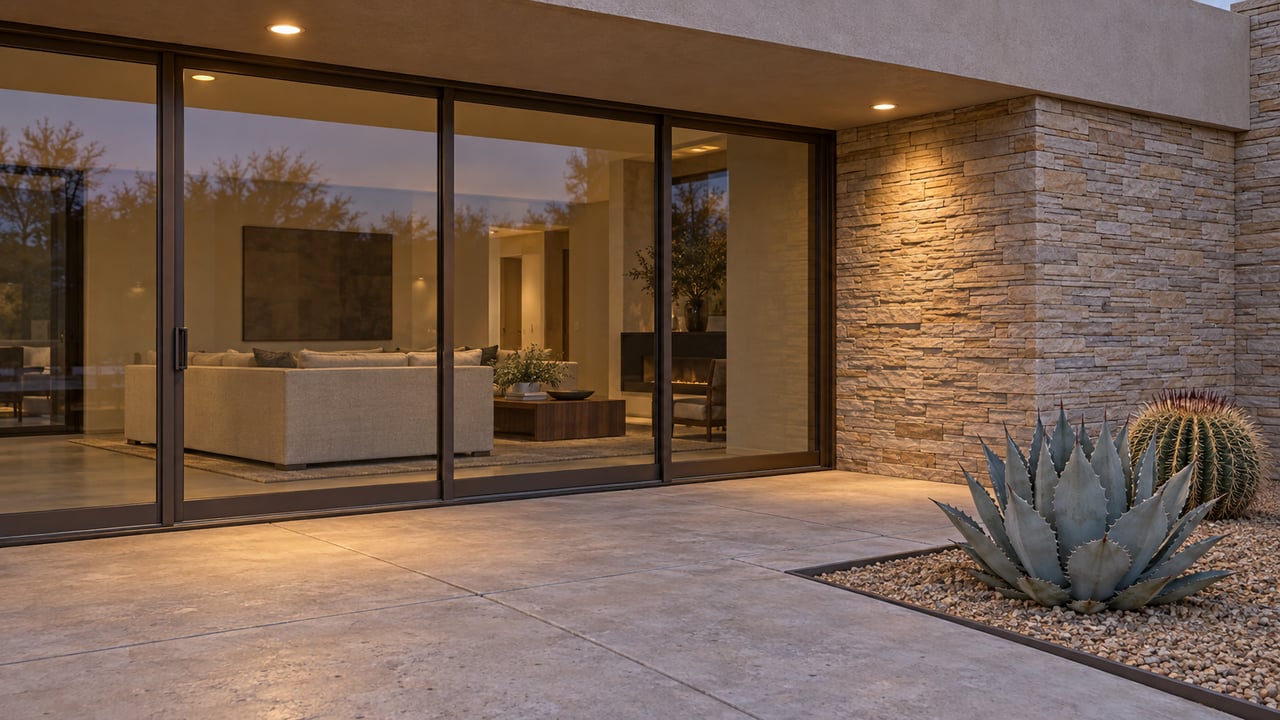
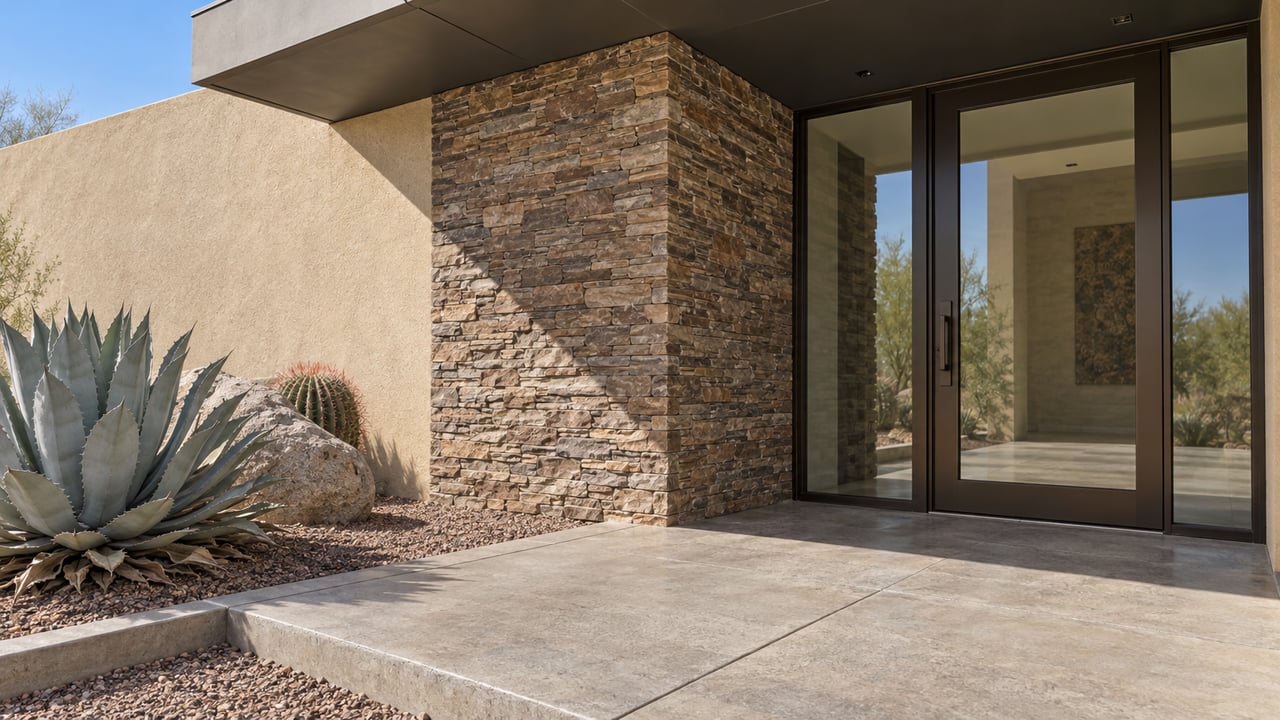
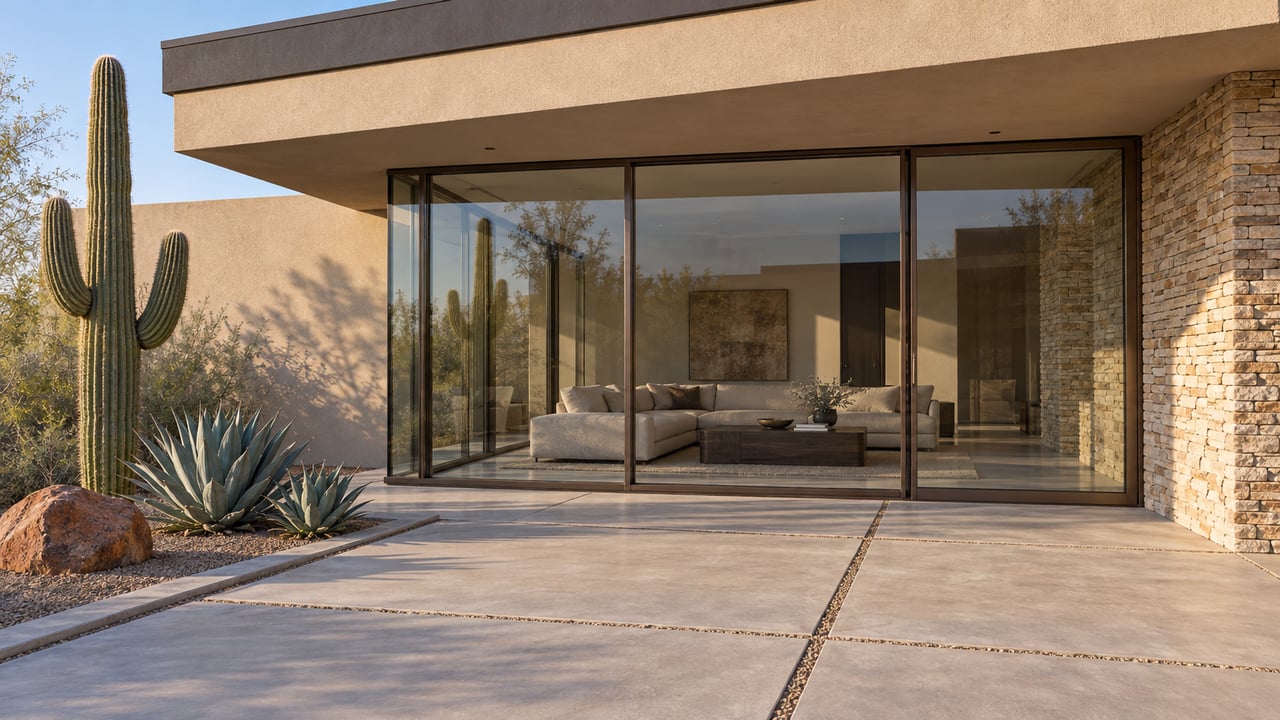
Paradise Valley is largely custom estates. Many homes are single-level with expansive indoor-outdoor living, private courtyards, and architectural styles that range from contemporary to Mediterranean and mid-century influences. Larger lots are common, often from a half-acre up to multiple acres, especially on hillside parcels.
North Scottsdale offers a wider mix. You’ll see single-family homes, townhomes, luxury gated estates, and active-adult product types. Lot sizes vary widely, from smaller infill parcels to 1-acre-plus lots within gated communities. In many master-planned neighborhoods, you trade a smaller private yard for extensive shared amenities.
Both areas see high-end remodels and new builds. Paradise Valley often leans toward teardown-and-rebuild custom estates, while North Scottsdale has more frequent new construction within master-planned settings.
For any property, verify parcel size and zoning specifics with the Maricopa County Assessor and the appropriate town or city planning department before you make decisions.
HOAs and community life
If you prefer minimal oversight, Paradise Valley may appeal to you. HOA prevalence is lower overall, and many homes are standalone estates with either no HOA or limited property owners’ associations that focus on essentials like gated access or private road maintenance. Where HOAs exist, they typically emphasize standards and security rather than resort-style amenities.
In North Scottsdale, HOAs are common, especially in gated and master-planned communities. These often include community clubs, pools, fitness centers, landscaped common areas, and CC&R design standards. Many buyers value the social programming and low-maintenance lifestyle that come with these communities.
Fees vary widely based on amenities and services. Some neighborhoods have modest assessments, while private golf or country club communities may have higher HOA fees and separate club dues. During due diligence, review the HOA’s CC&Rs, budgets, reserve studies, and any history of special assessments so you understand the true long-term cost.
Amenities and recreation
Paradise Valley’s lifestyle centers on privacy and nearby luxury resorts, dining, and spa experiences. Homeowners often invest in private amenities like pools, tennis courts, and generous outdoor living spaces. Community-level recreation is lighter because there are fewer master-planned HOAs, but the tradeoff is seclusion and serene streets.
North Scottsdale shines for on-site and community amenities. Many neighborhoods offer clubhouses, pools, gyms, and neighborhood events. You also get easy access to trail systems and desert open space thanks to the city’s preserved lands. For information on parks and preserves, start with the City of Scottsdale.
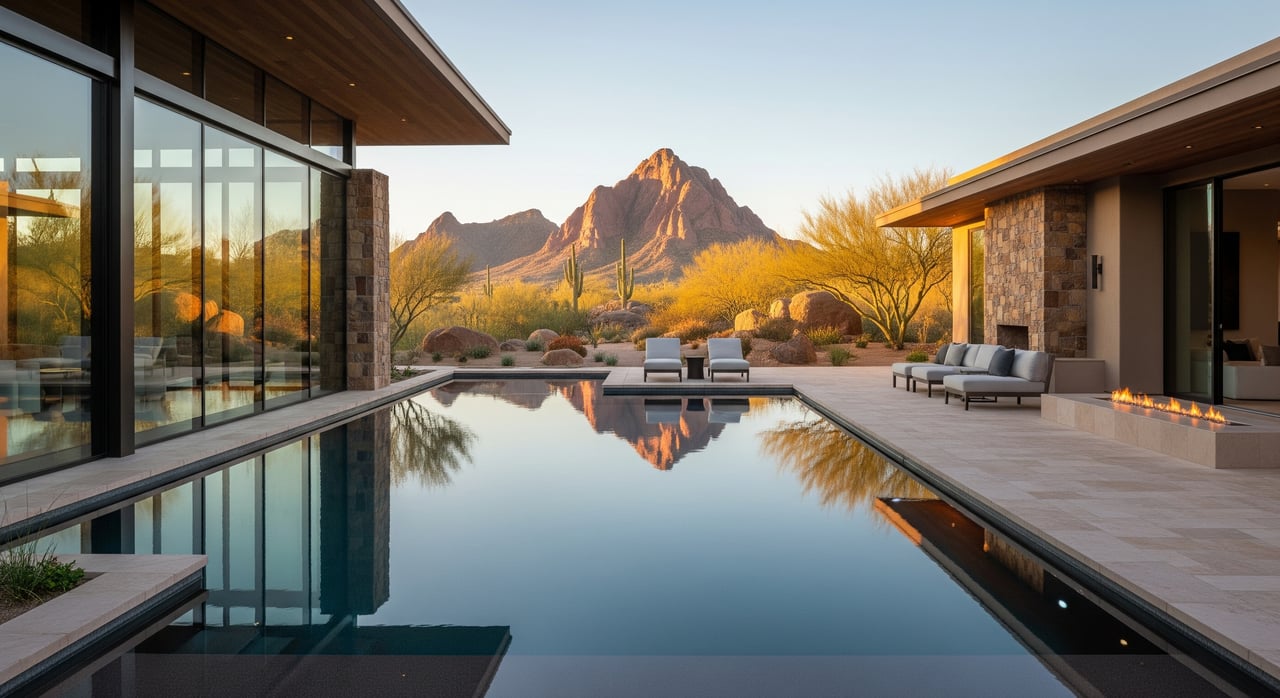
If hiking and biking top your list, North Scottsdale’s proximity to the McDowell Sonoran Preserve opens up a large network of trails. Paradise Valley offers scenic access near Camelback and Mummy Mountain and a quieter, less developed residential environment.
Commute and connectivity
Your commute may tip the scales. Many buyers in both areas work in Downtown Phoenix, the Scottsdale Airpark, Tempe, and nearby medical or resort corridors. Paradise Valley can offer shorter drives to central Phoenix depending on your exact address. North Scottsdale is closer to the Loop 101 and the Airpark, which is ideal if your daily routine revolves around that corridor.
Typical off-peak drive times vary. As a general guide, Paradise Valley to Downtown Phoenix is about 15 to 30 minutes, and Paradise Valley to Sky Harbor is about 20 to 30 minutes. North Scottsdale to the Scottsdale Airpark often runs 10 to 25 minutes, and North Scottsdale to Downtown Phoenix can be about 25 to 40 minutes. Always test your preferred route during your normal commute windows.
Both areas are car dependent. Estate neighborhoods are not highly walkable, while certain master-planned centers in North Scottsdale feature walkable clusters for shopping and dining.
Schools and services
Both areas offer access to public and private schools. School boundaries vary by address, so verify districts early in your search. Use the Paradise Valley Unified School District and Scottsdale Unified School District boundary tools to confirm where a property falls. If schools are a top priority, check busing or transfer policies and plan tours as part of your due diligence.
Utilities and services are typical for suburban Phoenix, though hillside or more remote parcels may have unique considerations. Confirm utility providers and any private-road or shared-maintenance obligations as part of your inspections.
Paradise Valley vs North Scottsdale: who fits where
If you want space, privacy, and a custom feel, Paradise Valley is often a match. Large lots, minimal HOA oversight, and dramatic view corridors define the experience. You trade some community amenities for solitude and control over your property.
If you prefer amenity-rich living, North Scottsdale offers more options. Gated neighborhoods with pools, fitness centers, social events, and trail access are common. You trade a smaller yard in many master-planned settings for a lock-and-leave lifestyle with built-in recreation and community standards.
In practice, many buyers tour both. Seeing the contrast first-hand helps you decide whether you want your amenities private and home-centered or shared and community-driven.
Decision checklist
Use these questions to clarify your best fit:
- Privacy or community: Do you want maximum separation on a large lot or a neighborhood with amenities and social life?
- Lot size and outdoor needs: Do you need sweeping yards, potential equestrian space, or hillside views, or would shared amenities cover your needs?
- HOA tolerance: Are you comfortable with CC&Rs, design review, and monthly assessments in exchange for maintenance and amenities?
- Commute: Which job centers matter to you most? Test drive times during rush hours from target neighborhoods.
- Lifestyle and recreation: Do you prefer private home amenities or community clubs, trails, and walkable retail clusters?
- Schools and services: Which district fits your plans? Confirm boundaries with PVSchools or SUSD.
- Long-term resale: Do you prefer the niche luxury market of ultra-custom estates or the broader buyer pool of popular gated communities?
- Total budget: Factor HOA dues, club initiation or monthly costs, utilities, landscaping for larger lots, and property taxes estimated through the Maricopa County Assessor.
Example buyer profiles
Profile A — Paradise Valley estate
- You want 1 to 3-plus acres, a custom single-level or multi-wing estate, a private pool, and major privacy. You are comfortable handling more maintenance and value quiet streets and resort access nearby. Considerations include hillside restrictions, utility easements, and longer driveways.
Profile B — North Scottsdale luxury gated enclave
- You want security, community standards, and on-site amenities like golf, tennis, and a clubhouse. You value social programming and a lower-maintenance lifestyle. Expect HOA architectural review and the potential for separate club initiation fees and dues.
Profile C — North Scottsdale family-oriented master-planned community
- You want a single-family home with a neighborhood pool, parks, and shopping nearby. Predictable standards and a balanced cost-to-lifestyle ratio matter. Expect moderate HOA fees and CC&R governance.
Due diligence checklist
Before you commit, line up these items:
- Review HOA or POA CC&Rs, financials, reserve studies, and special-assessment history.
- Verify parcel size, build envelopes, hillside rules, and setbacks with the appropriate planning department.
- Order thorough inspections and, if applicable, specialized reviews for roof, structural items, and termite.
- Confirm utility providers, private roads, and any shared-maintenance agreements.
- Test your commute during actual peak hours.
- Verify school boundaries and transportation policies with the district.
Commute comparisons at a glance
- Paradise Valley proximity: Often closer to central Phoenix and parts of Scottsdale, which can shorten commutes to downtown or central employment hubs.
- North Scottsdale proximity: Often closer to the Loop 101 and Scottsdale Airpark, which is helpful for Airpark employees and north valley errands.
- Plan ahead: Phoenix-area drive times increase during peak hours. Testing routes is the best way to set expectations.
Taxes and carrying costs
Property taxes are set by Maricopa County and depend on assessed value and tax district. Higher-priced homes generally carry higher tax bills. For parcel-specific estimates, use the Maricopa County Assessor’s tool. Add HOA dues, potential club costs, utilities, landscaping, and routine upkeep to build a complete monthly picture.
How a local advisor helps
Choosing between Paradise Valley and North Scottsdale is not just about price per square foot. It is about how you want to live day to day. A seasoned local agent can help you measure tradeoffs like privacy versus amenities, HOA rules versus autonomy, and commute realities tied to your exact address. You also benefit from guidance on parcel due diligence, hillside considerations, and community-specific resale trends.
If you are weighing these two great options, let experience be your edge. Connect with Andy Berglund to compare neighborhoods, tour targeted homes, and make a confident move.
FAQs
What are the main housing differences between Paradise Valley and North Scottsdale?
- Paradise Valley leans toward ultra-luxury custom estates on larger lots, while North Scottsdale offers a broader mix that includes master-planned and gated communities with shared amenities.
How common are HOAs in Paradise Valley versus North Scottsdale?
- Paradise Valley has fewer HOAs overall and many standalone estates, while North Scottsdale commonly features HOAs that manage amenities, design standards, and maintenance.
How do commute times compare for typical destinations in Phoenix?
- Paradise Valley can be about 15 to 30 minutes to Downtown Phoenix off-peak, while North Scottsdale often runs 25 to 40 minutes to downtown and 10 to 25 minutes to the Airpark, depending on location and traffic.
Which area is better for access to outdoor recreation and trails?
- North Scottsdale offers broad trail access via the city’s preserved lands, while Paradise Valley provides scenic proximity to Camelback and Mummy Mountain in a quieter residential setting.
How should I verify school boundaries for a specific property?
- Use district resources to confirm: the Paradise Valley Unified School District and the Scottsdale Unified School District provide boundary and enrollment information.
What should I review about HOA costs and rules before buying?
- Read CC&Rs, budgets, and reserve studies, and check any special-assessment history to understand monthly dues, restrictions, and long-term obligations.