Looking for gated-community peace of mind in the North Valley but not sure whether Cave Creek or Carefree fits your lifestyle? You are not alone. Many buyers want privacy, desert views, and easy lock-and-leave living without giving up recreation, dining, and services. In this guide, you will learn how these two neighboring towns differ, what amenities to expect, what to verify with each HOA, and how to rank your options with a simple scoring worksheet. Let’s dive in.
Cave Creek vs Carefree overview
Cave Creek and Carefree sit side by side in the Sonoran Desert foothills of northern Maricopa County, with Black Mountain as a landmark backdrop. Both offer gated options, but they feel different on the ground. Cave Creek tends to feel more rural and varied, while Carefree leans resort-like and curated. Your best fit comes down to how much space, service, and structure you want from the community.
Cave Creek profile
- Character: More rural with wide-ranging subdivisions and a strong desert-ranch and equestrian influence.
- Lots: Greater share of larger and multi-acre parcels with long driveways and private-feeling roadways.
- Architecture: Western and ranch styles mix with modern desert contemporary and Spanish or Pueblo revival.
- Lifestyle: Access to trail networks and conservation areas is a core draw, with some communities offering equestrian features.
Carefree profile
- Character: A small-town village center with boutique plazas and a refined, resort-centric feel in many gated developments.
- Lots: Often estate-sized within master-planned settings, with highly maintained shared spaces.
- Architecture: Mediterranean and contemporary desert designs are common, including upscale custom estates.
- Lifestyle: Stronger ties to club, spa, and golf-style amenities paired with tighter architectural controls.
Amenities and community services
In both towns, you can expect some mix of access control, shared facilities, and landscaping standards. The balance varies by community.
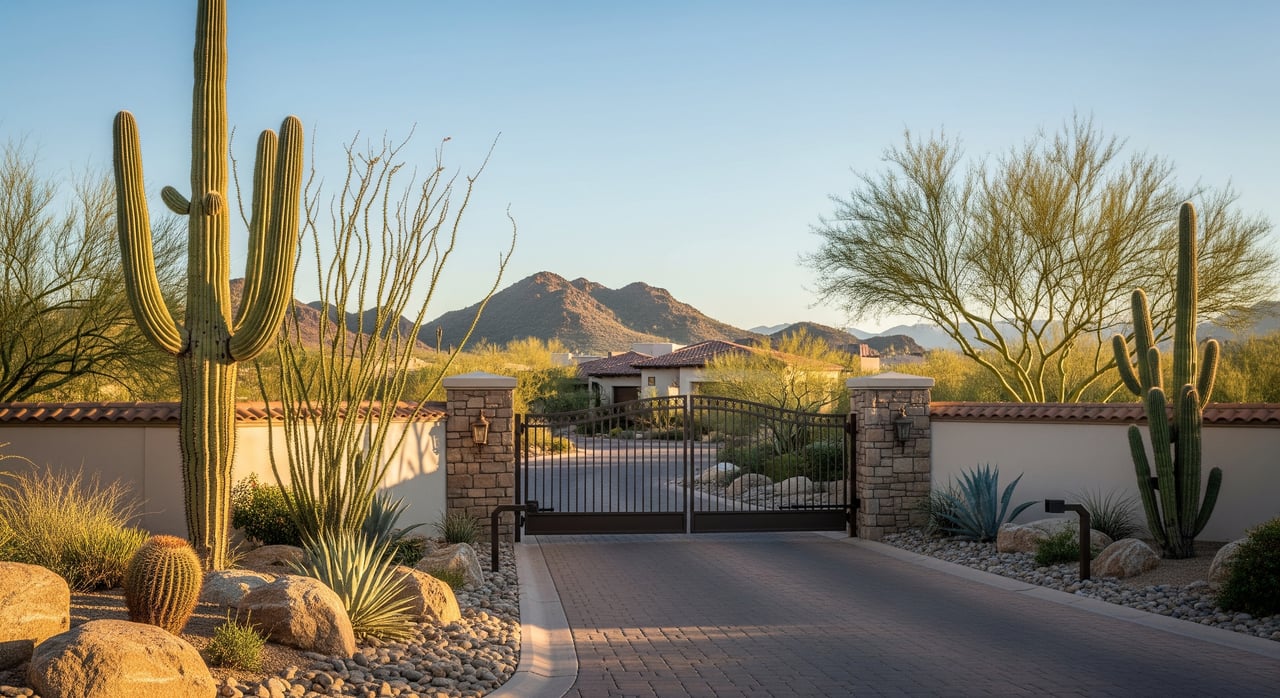
- Access and security: Many neighborhoods use remote entry systems. Guarded gates occur but are less common outside major subdivisions.
- Recreation: Pools, fitness centers, and courts appear in both towns, while Carefree developments more often align with golf and resort services. Cave Creek enclaves are more likely to include private trails and equestrian facilities.
- Lock-and-leave support: Look for bundled exterior maintenance, periodic house checks, or preferred-vendor networks if you plan to travel frequently. These offerings vary widely and can be a deciding factor.
Tip: If you want a true lock-and-leave setup, confirm which exterior items are included, such as roof, paint, yard, and irrigation maintenance.
HOA scope and design controls
HOAs in both areas manage CC&Rs, architectural review, gates, and budgets. The key differences often show up in the level of service and design oversight.
- Lower-service HOAs: Common in more rural Cave Creek settings, with lighter dues and more owner responsibility for roads, fencing, and landscaping.
- Higher-service HOAs: More common in planned or resort-oriented Carefree communities. Expect higher dues that fund staff, amenities, and private-road upkeep.
- Architectural reviews: Tighter controls typically appear in curated, resort-like settings. If you value design freedom, ask to see all guidelines and timelines before you buy.
Documents to request early include CC&Rs, bylaws, architectural guidelines, current budgets, reserve studies, meeting minutes, and any history of special assessments or litigation.
Architecture and lot sizes
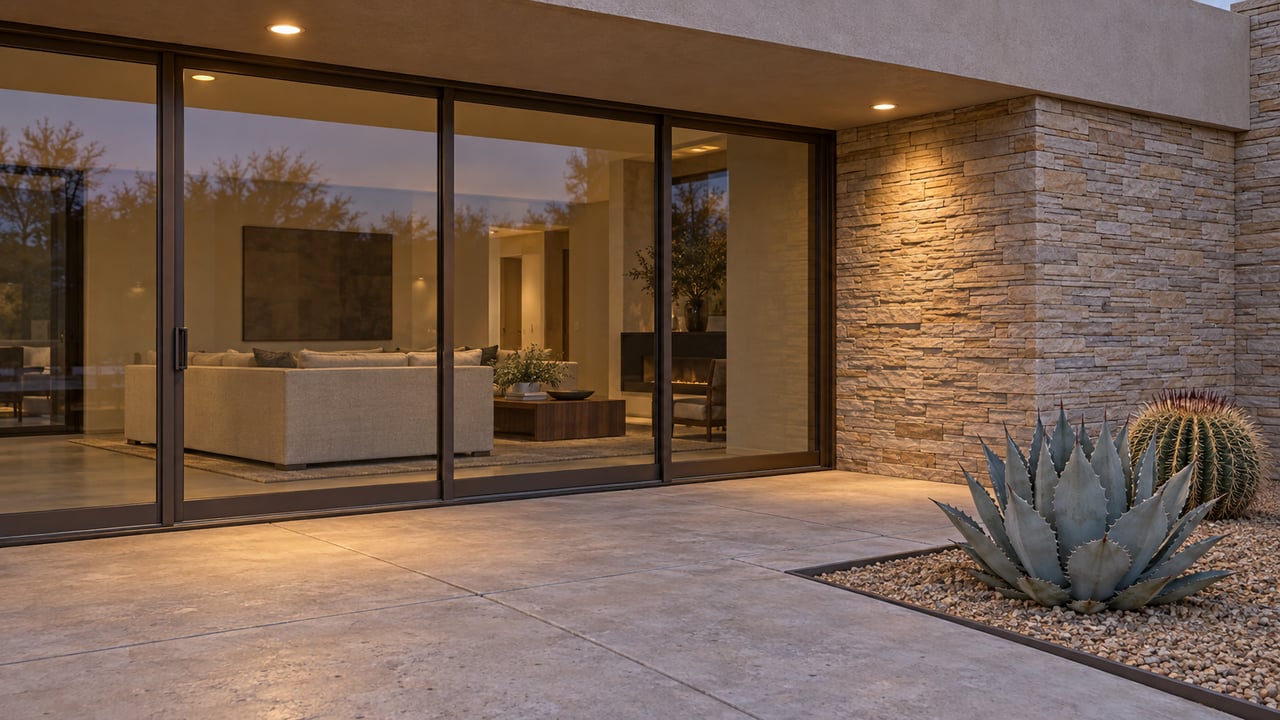
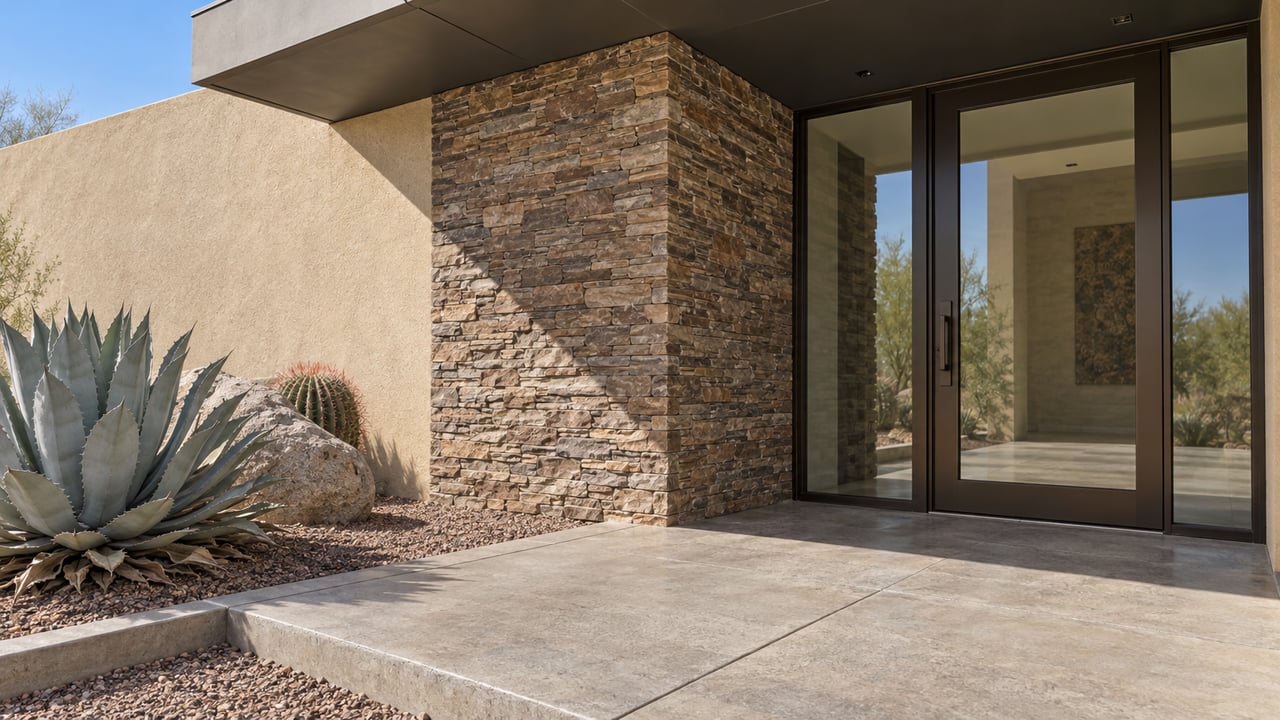
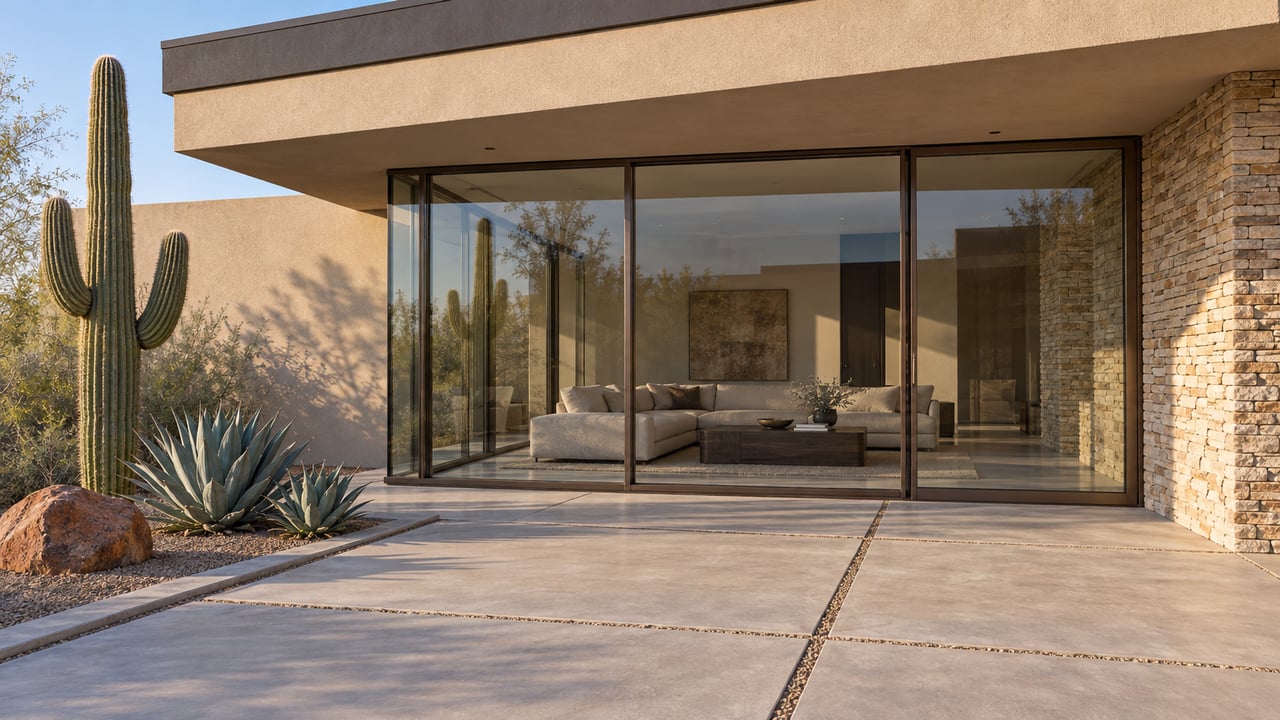
Both towns showcase stucco exteriors, low-pitch roofs, courtyards, deep overhangs, and native-stone accents. Orientation matters as much as style.
- Privacy: Many homes are sited to maximize views and reduce sightlines, using setbacks, vegetation, and rock outcroppings.
- Cave Creek: More options for multi-acre parcels and equestrian-capable lots within gated settings.
- Carefree: More gated estate neighborhoods with cohesive streetscapes and upscale common areas.
If you plan to add structures or rework your outdoor spaces, verify the architectural review process, allowable uses, and any view or access easements that could affect your plans.
Security, privacy, and insurance
Gated status can reduce through-traffic and add privacy. Some communities use cameras or private patrols. Insurance premiums, however, do not automatically drop just because a property is gated. Carriers will weigh wildfire exposure, roof materials, proximity to hydrants, and other factors. Ask your insurance pro to model quotes for each target neighborhood and confirm any required mitigation measures.
Recreation and access
Outdoor access is a major lifestyle driver here.
- Cave Creek: You are close to Cave Creek Regional Park and Spur Cross Ranch Conservation Area. The region offers multi-use trails, mountain biking, and desert hiking across Black Mountain and Sonoran ridgelines.
- Carefree: You will find carefully maintained public plazas, local art, and quick access to nearby club and resort amenities. Many gated communities connect to municipal trails or include private paths.
For daily needs, shopping, dining, and medical services cluster along the Scottsdale corridor and within the town centers. Commute times to Phoenix or Scottsdale vary by exact neighborhood and time of day, so map your routes during peak hours.
Utilities and infrastructure
Infrastructure can differ widely within a short drive, especially in rural-feeling pockets.
- Water and sewer: Some homes use municipal services, while others rely on private wells and septic. Confirm system type, permits, inspection history, and any HOA requirements.
- Broadband and cellular: Coverage varies. Some communities invest in fiber or bulk-service agreements. If you work from home, run on-site signal tests and confirm provider options.
- Fire protection: Verify district boundaries, response times, and community wildfire programs. In foothill settings, defensible-space rules often align with HOA landscape standards.
Due diligence checklist for buyers
Protect your lock-and-leave goals by verifying the details early. Use this list during your discovery and inspection periods.
Documents to obtain
- CC&Rs, bylaws, and architectural guidelines with amendments.
- Current budget and most recent reserve study.
- Minutes from the last 12 to 24 months.
- Gate policies, including visitor and contractor access.
- Insurance certificates for common areas and fidelity bonds.
- Contracts for security, landscaping, roads, trash, or utilities.
- Litigation disclosures and violation-enforcement history.
Financial questions for the HOA
- Current dues and what they cover.
- Special-assessment history and planned capital projects.
- Reserve funding level and major upcoming replacements such as private roads or gate systems.
- Owner delinquency rate as a signal of financial health.
Physical inspections to prioritize
- Gate equipment, backup power, and emergency egress.
- Road maintenance obligations and surface condition.
- Common-area infrastructure such as irrigation, fencing, lighting, and cameras.
- Utility type and status, including well and septic permits and recent inspections.
- Compliance with landscape rules and wildfire defensible space.
Legal and land-use checks
- Zoning, allowable uses, and any equestrian permissions.
- Rental and short-term rental policies if you plan to host guests.
- Architectural review timelines and scope if you anticipate renovations.
- Easements that affect access, drainage, or view corridors.
Costs and recurring obligations
- HOA dues relative to the services you will use.
- Potential special assessments for gates, roads, or amenities.
- Utility costs, including irrigation needs for larger lots.
- Home insurance scenarios, with wildfire coverage availability.
- Property taxes and any community-specific assessments.
Regional risks to weigh
- Wildfire: Brush and drought conditions require mitigation and ongoing landscape care.
- Water use: Desert-friendly landscaping and water guidelines are common.
- Services: Some parcels sit farther from grocery, medical, and emergency services, which can influence a lock-and-leave lifestyle.
Prioritize what matters most
Use this simple worksheet to compare two or more gated communities side by side. Assign an importance weight from 1 to 5 for each criterion, then score each community from 1 to 5. Multiply and total to see which option best fits your goals.
| Criterion | Importance (1–5) | Community A Score (1–5) | A Weighted | Community B Score (1–5) | B Weighted |
|---|---|---|---|---|---|
| Security and gate type | |||||
| Privacy and lot seclusion | |||||
| HOA services included | |||||
| Monthly fees vs value | |||||
| Architectural controls vs freedom | |||||
| Access to hiking or horse trails | |||||
| Equestrian facilities | |||||
| Resort-style amenities | |||||
| Proximity to shops and medical | |||||
| Road and emergency access | |||||
| Water and sewer type | |||||
| Short-term rental policy | |||||
| Wildfire mitigation rules | |||||
| Broadband and cellular | |||||
| Resale marketability |
Guidance for your results:
- A higher total suggests a better overall fit with your priorities.
- Watch for must-have items with low scores. These can be deal-breakers.
- Use the worksheet to focus showings on communities that match your lock-and-leave criteria.
Which town is your best fit?
Choose Cave Creek if you want larger lots, a ranch or equestrian flavor, and quick access to rugged trail networks. Choose Carefree if you prefer resort-style living, refined shared spaces, and tighter architectural cohesion. Both towns deliver privacy and desert beauty. The best choice depends on how much space and independence you want compared with how much service and structure you expect from your HOA.
If you are weighing two or three contenders, bring your top questions to a local expert and ask for HOA documents and reserve details up front. The right fit will check your boxes for privacy and convenience while aligning with realistic ownership costs.
Ready to tour and compare options side by side? Reach out to Andy Berglund for local guidance tailored to how you live, travel, and invest.
FAQs
What amenities do gated communities in Cave Creek typically offer?
- Expect a mix of remote-access gates, community pools, fitness rooms, courts, private trail access, and in some cases equestrian facilities, with amenity scope varying by HOA.
Are Carefree gated communities better for resort-style living?
- Many Carefree developments lean toward resort or club amenities and highly maintained common areas with tighter architectural controls compared with more rural Cave Creek enclaves.
Do gated communities lower home insurance costs in Maricopa County?
- Gated access does not automatically reduce premiums; carriers weigh wildfire risk, hydrant proximity, roof materials, and more, so compare quotes for each neighborhood.
What should lock-and-leave buyers ask HOAs in Cave Creek or Carefree?
- Clarify what dues cover, exterior maintenance inclusions, reserve strength, special-assessment history, gate policies, rental rules, and architectural-review timelines.
How do wells and septic systems affect a gated-home purchase in this area?
- You should verify system type, permits, and inspection history, budget for maintenance, and confirm any HOA requirements related to utilities and landscaping.
Are short-term rentals allowed in gated communities in these towns?
- Policies vary by HOA; many restrict or prohibit short-term rentals, so review CC&Rs and bylaws early if rental flexibility is important to you.