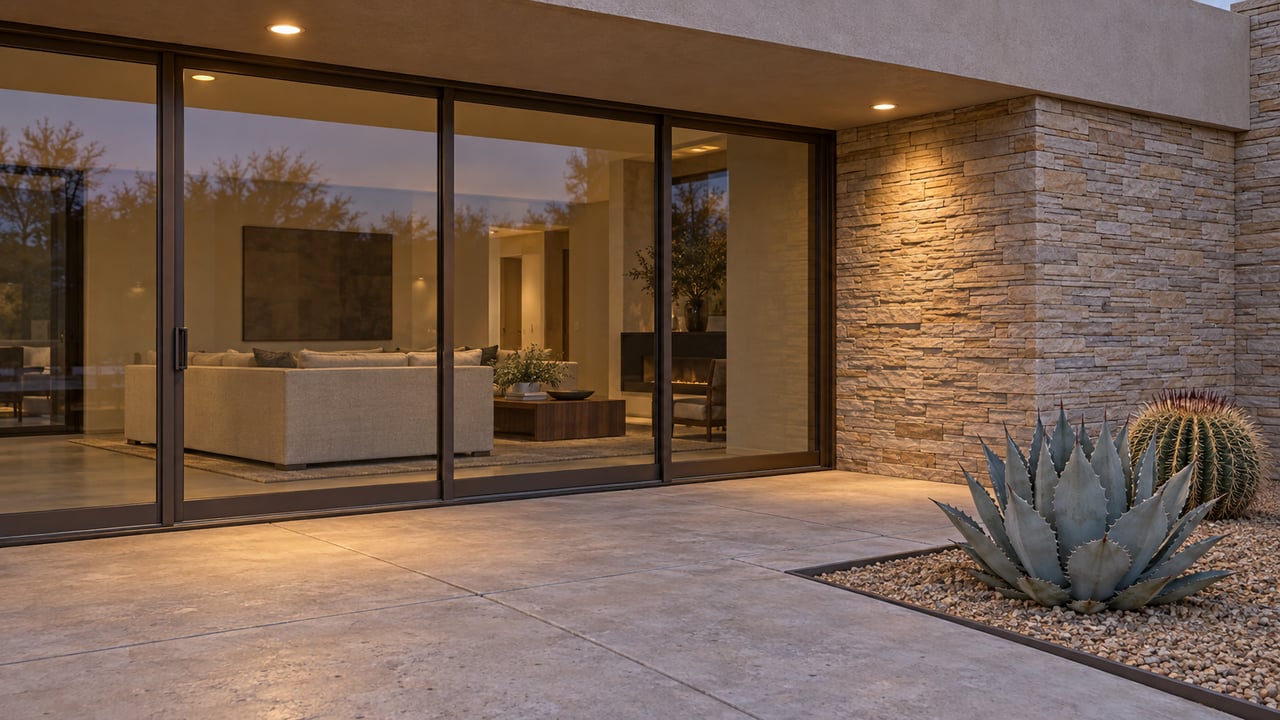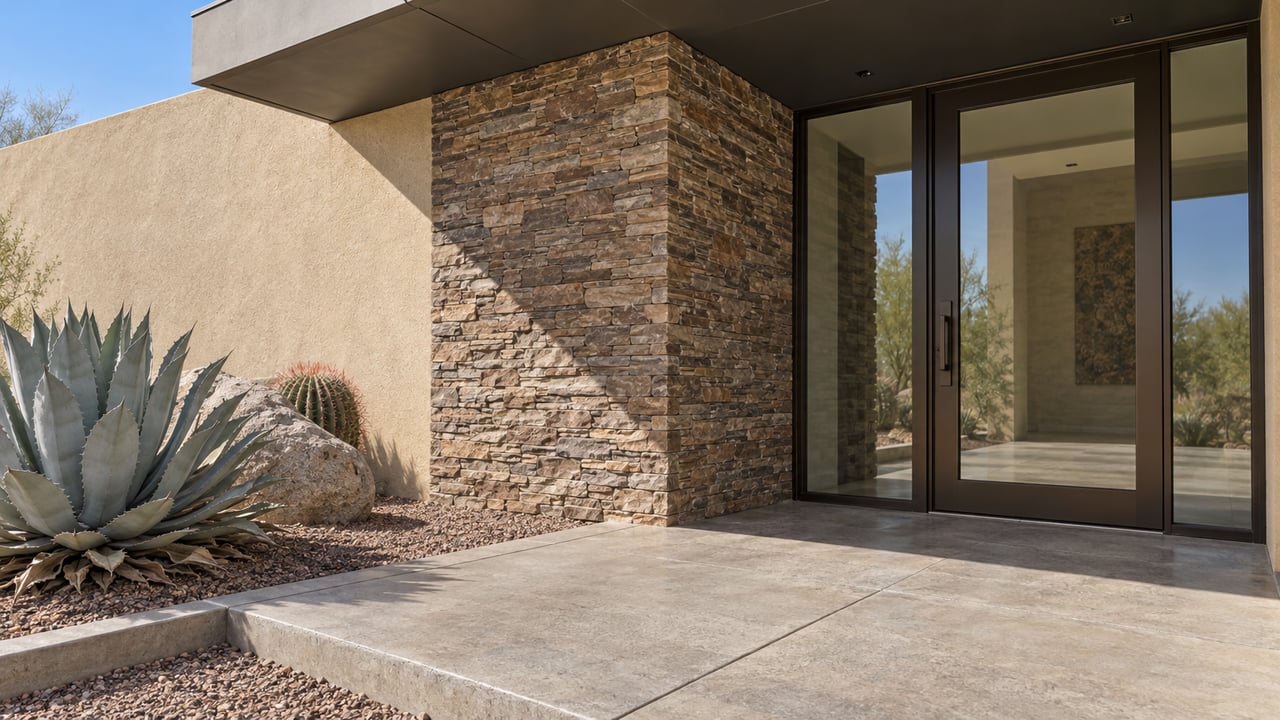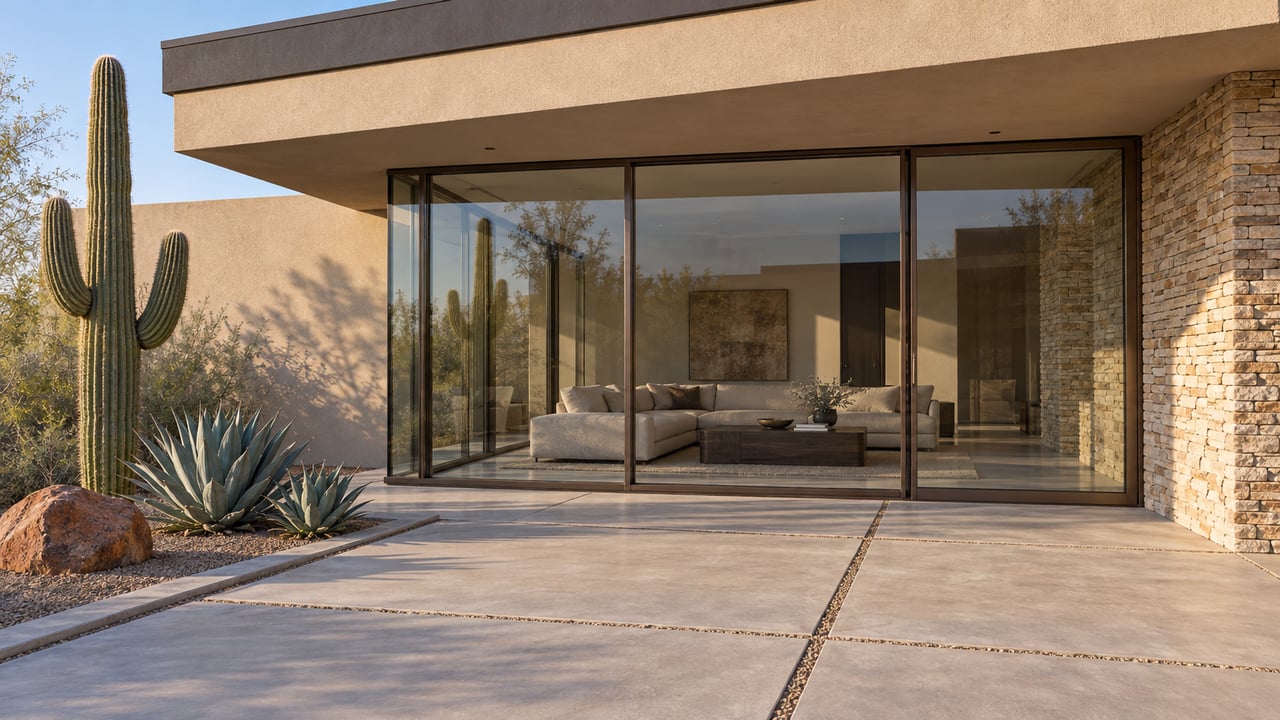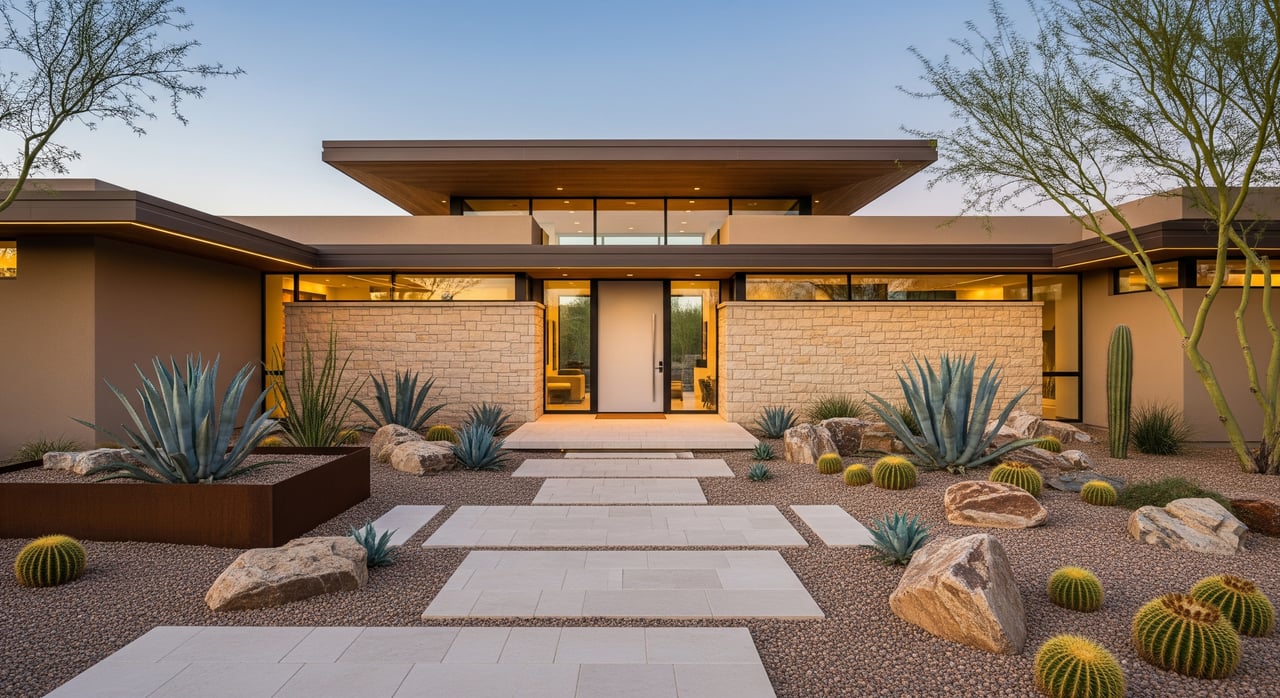
Is your front yard working as hard as it could to sell your home in Phoenix? In the desert, buyers judge quickly, and a clean, water-wise entry can tip the scales in your favor. If you want strong first impressions without high water bills or heavy upkeep, you’re in the right place. Below you’ll find practical, desert-smart upgrades that show care, reduce maintenance, and help your home stand out. Let’s dive in.
What Phoenix buyers notice first
Desert buyers usually prefer low-maintenance, water-efficient yards with thoughtful shade over large, thirsty lawns. Mature shade, tidy hardscape, and a welcoming entry read as well cared for and comfortable. The first few steps to your door often set the tone for the whole showing.
High-impact, lower-cost fixes go a long way. Clean walkways, a freshly finished front door, modern lighting, and clutter-free planting make your home feel better maintained. If you live in an HOA, check CC&Rs before visible changes like painting, hardscape, or turf removal to avoid compliance issues.
Xeriscape that sells, not scares
Plan by zones and scale
Start with a simple xeriscape plan. Group plants by water needs to keep irrigation efficient and maintenance easy. Limit turf to small, truly useful areas, and use grading or soil amendments to direct runoff safely. A few well-placed boulders and a clean edge between rock and beds create a finished, upscale look without constant upkeep.
Desert plant palette that performs
Choose plants that thrive in hot, arid conditions and look good year-round.
- Shade and focal trees: palo verde, mesquite, desert willow, and ironwood offer filtered shade and seasonal color. Place them to cool the front façade and entry.
- Accent trees and shrubs: Texas sage, jojoba, hopbush, and desert willow add texture and blooms with minimal water.
- Shrubs and ornamentals: brittlebush, buckwheat (eriogonum), and salvia bring movement and color. Select drought-tolerant lantana varieties for reliable pops of color.
- Succulents and cacti: agaves, aloe, red yucca, barrel cactus, and selective prickly pear varieties add structure. Keep spiny plants away from walkways and high-traffic areas.
- Groundcovers: blackfoot daisy and low-growing lantana groundcovers fill space and reduce weeds.
Important notes for sellers: some native cacti, especially saguaros, are protected and must be handled by licensed specialists. Confirm rules before moving or removing any specimen plants. Also confirm any restrictions on messy fruiting trees or plant types in your HOA.
Hardscape that looks polished
Low-water landscapes shine when surfaces are clean and intentional. Decomposed granite or crushed rock in a warm, light tone reduces heat gain and looks great with stucco. Add boulders and a few flagstone or permeable paver accents to define the path to your door. Ensure drainage moves water away from the house and across the yard without pooling, and consider permeable surfaces to reduce runoff. A crisp border between rock and plant beds reads as well maintained.
Smarter water and irrigation
Use drip and smart controls
In Phoenix, drip irrigation is the standard for beds and accent plants. It delivers water where roots need it and cuts evaporation. Use micro-sprays only when necessary for certain shrubs, and avoid high-pressure sprays in rock beds. A smart controller that adjusts to weather or soil moisture helps you conserve while keeping plants healthy.
Establish, then scale back
New plants need deeper, less frequent watering to build strong roots. Once established, reduce frequency and let the root zone dry between cycles. Seasonal maintenance matters, so check emitters, flush lines, and fix leaks before showings. A tidy irrigation system signals care and keeps rock areas clean.
Know rules and rebates
Watering restrictions and seasonal guidance can change, so check the City of Phoenix Water Services for current rules. Many local utilities, including Salt River Project and regional water-conservation agencies, offer turf-removal and smart-controller rebates. Most programs require pre-approval, inspections, and photo documentation, so confirm details before you start. If you’re in an HOA, get written approval for visible changes up front.
Entry and exterior upgrades with impact
Front door and hardware
Your front door is the handshake of your house. Clean or repaint it in a neutral, desert-appropriate tone, or replace it if it is damaged or dated. Update hardware, add a modern, legible house number, and set a simple welcome mat. One or two healthy, drought-tolerant planters can frame the entry without clutter.
Lighting for safety and warmth
Lighting shapes how your home feels in the evening and during dusk showings. Use warm LED color temperatures around 2700 to 3000K to create a welcoming glow and reduce glare. Shielded fixtures and directional aiming protect the night sky and keep light on paths, not in your neighbors’ windows. Layer path lights, step lights, and an attractive porch fixture first, then add subtle uplights on a specimen tree or façade. Aim for consistent visibility along steps and walkways, targeting gentle levels often in the 0.5 to 2 foot-candle range. Keep motion-sensing security lights subtle and avoid constant glare.
Paint, stucco, and roof cues
Stucco is durable in the desert, but small cracks and stains undermine buyer confidence. Patch and seal where needed, then freshen paint in neutral, regionally appropriate earth tones. Lighter exterior colors can reduce heat absorption and communicate comfort. If you plan roofing updates, cool-roof rated materials and lighter tiles can reduce heat gain. Always confirm your HOA’s approved color palette before painting or re-roofing.
Project priorities and budgets
You do not need a full landscape overhaul to make a strong first impression. Sequence work for maximum impact and minimal cost.
- Clean and repair: power wash drive and walks, patch stucco cracks, tidy beds, repair irrigation leaks, and wash windows.
- Entry upgrades: refinish or replace the front door, refresh hardware and house numbers, and install a clean porch fixture.
- Declutter outdoors: remove excess pots, personal items, and dead or struggling plants. Stage with one or two quality succulents or accent shrubs.
- Improve lighting: add path and step lighting for safe, even illumination, and consider a subtle accent on a specimen tree.
- Xeriscape conversions: remove nonfunctional turf, add decomposed granite and a simple plant palette. Check for rebates before work begins.
- Larger finishes: repaint the façade or adjust hardscape after confirming HOA approvals and any permit needs.
In most markets, quick cleanups, door and lighting upgrades, and tidy hardscape read as higher value without the cost of a full redesign. Larger projects can be worth it to match neighborhood standards or reach a higher price bracket, but confirm timelines and local expectations before you commit.
Safety and sale readiness
Safety and comfort matter during showings. Relocate spiny plants away from paths and drive entries. Make sure steps and handrails are secure and evenly lit. Summarize your irrigation schedule, plant list, and any warranty records for buyers. Include HOA landscape rules and receipts for work or rebates. This simple handoff builds confidence and reduces questions.
Quick-win curb appeal checklist
- Power wash driveway and walkways; remove weeds from joints and edges.
- Trim or shape overgrown shrubs; remove dead material and debris.
- Repaint or refinish the front door; update hardware and house numbers.
- Install or test path and step lighting with warm, shielded LEDs.
- Patch stucco cracks; clean windows, gutters, and rooflines.
- Stage the entry with one or two drought-tolerant planters.
- Check irrigation settings, fix leaks, and label zones for buyers.
- Verify HOA approvals before visible landscape or exterior changes.
When you invest in the front approach, you help buyers feel the home is well cared for and move-in ready. If you want a tailored plan for your property and neighborhood, reach out to Andy Berglund for local guidance and marketing strategy. Get Your Instant Home Valuation.
FAQs
What low-water plants boost curb appeal in Phoenix?
- Palo verde, mesquite, and desert willow for shade; Texas sage, jojoba, and hopbush for structure; and agaves, red yucca, aloe, brittlebush, and blackfoot daisy for color and texture.
How should I handle turf when selling a Phoenix home?
- Keep turf small and functional or convert nonfunctional areas to xeriscape; check HOA rules and confirm turf-removal rebates or pre-approval requirements before starting.
What outdoor lighting looks best for Phoenix showings?
- Warm LED lighting around 2700 to 3000K with shielded, directional fixtures, layered on paths, steps, and the entry to create a welcoming, glare-free look.
Do I need HOA approval for front-yard changes in Phoenix?
- Many HOAs regulate visible landscaping, colors, and hardscape; confirm CC&Rs and seek written approval before painting, turf removal, or front-yard redesigns.
How do I water new desert plants before listing?
- Water deeply and less frequently to encourage deep roots, then reduce frequency as plants establish; use drip irrigation, check emitters, and fix leaks seasonally.
Are saguaros or other cacti protected during a sale?
- Yes, some native cacti, including saguaros, are protected and require licensed specialists for relocation or removal; verify regulations before any work.