Wondering what it really feels like to live in North Phoenix? The answer depends on which part of North Phoenix you mean, because this area is not one single neighborhood with one single vibe. If you are planning a move, comparing communities, or trying to narrow your home search, it helps to understand how daily life changes from one pocket to the next. Let’s dive in.
North Phoenix Feels Like Several Areas
North Phoenix works more like a group of city villages and subareas than one uniform neighborhood. City planning pages for areas like North Mountain, Deer Valley, Desert View, and North Gateway describe a mix of established neighborhoods, newer master-planned communities, employment centers, desert-edge land, and strong freeway access.
That mix shapes daily life in a practical way. Some areas feel older and more established, while others feel newer, more spread out, and more connected to desert-edge living. In most parts of North Phoenix, you can expect a suburban rhythm with convenience tied to where you drive rather than one central downtown.
Housing Varies By Subarea
Older Areas And Newer Communities
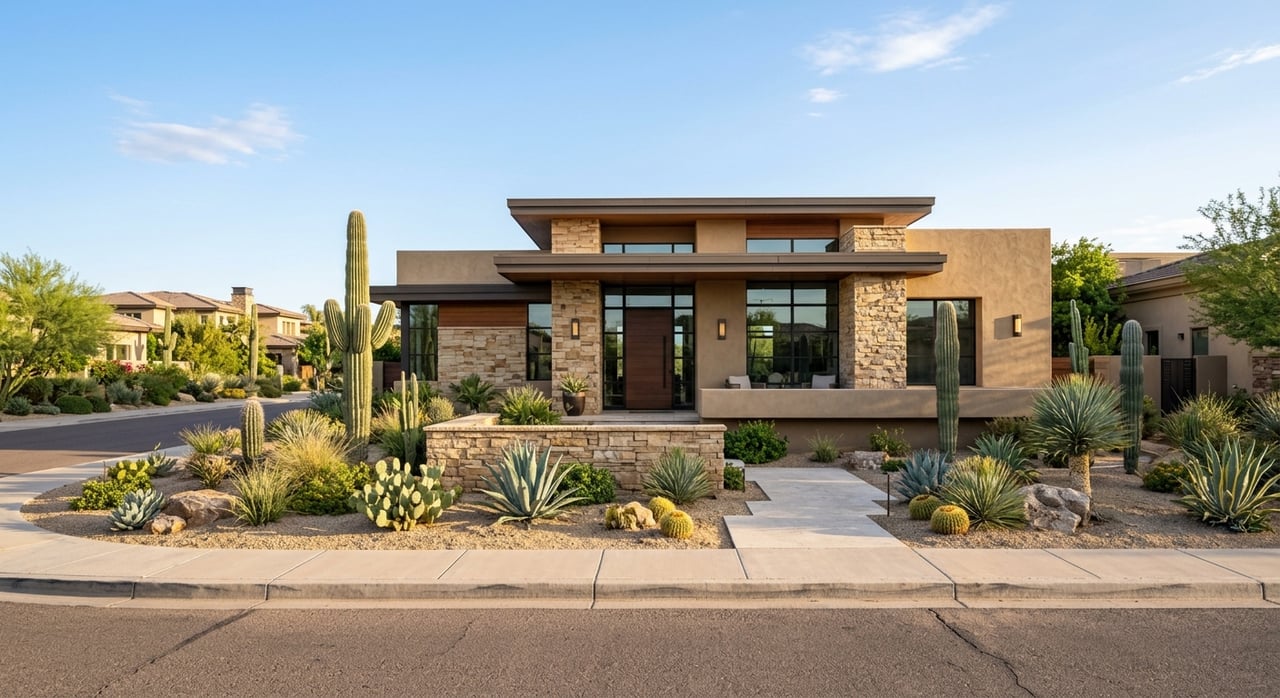
One of the biggest differences across North Phoenix is the housing mix. North Mountain includes established residential areas, foothill neighborhoods, and suburban sections near the Metrocenter core. Deer Valley also includes a range of housing types and densities, along with active single-family construction and redevelopment.
Desert View offers a different feel in some sections. Near Loop 101 and Desert Ridge, the city describes higher-density areas with condos and master-planned communities, while farther north there are lower-density large-lot homes and horse properties. North Gateway adds another layer with master-planned communities, employers, and open Sonoran Desert land.
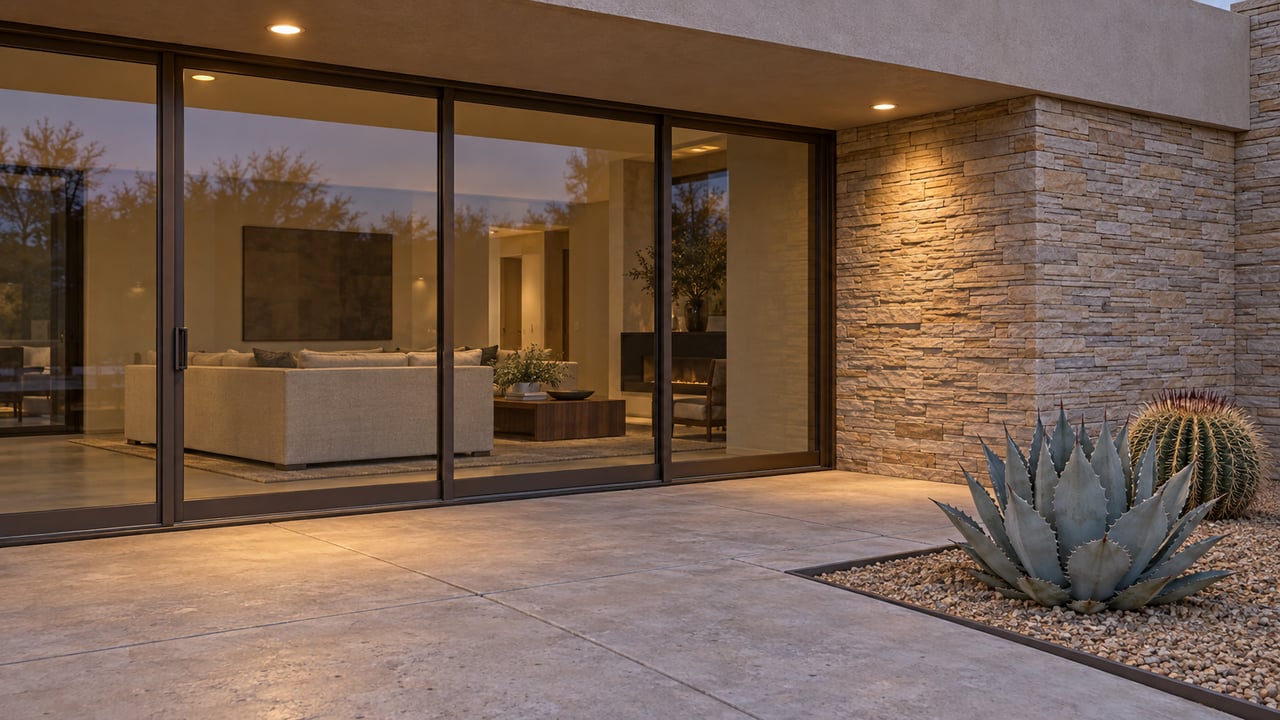
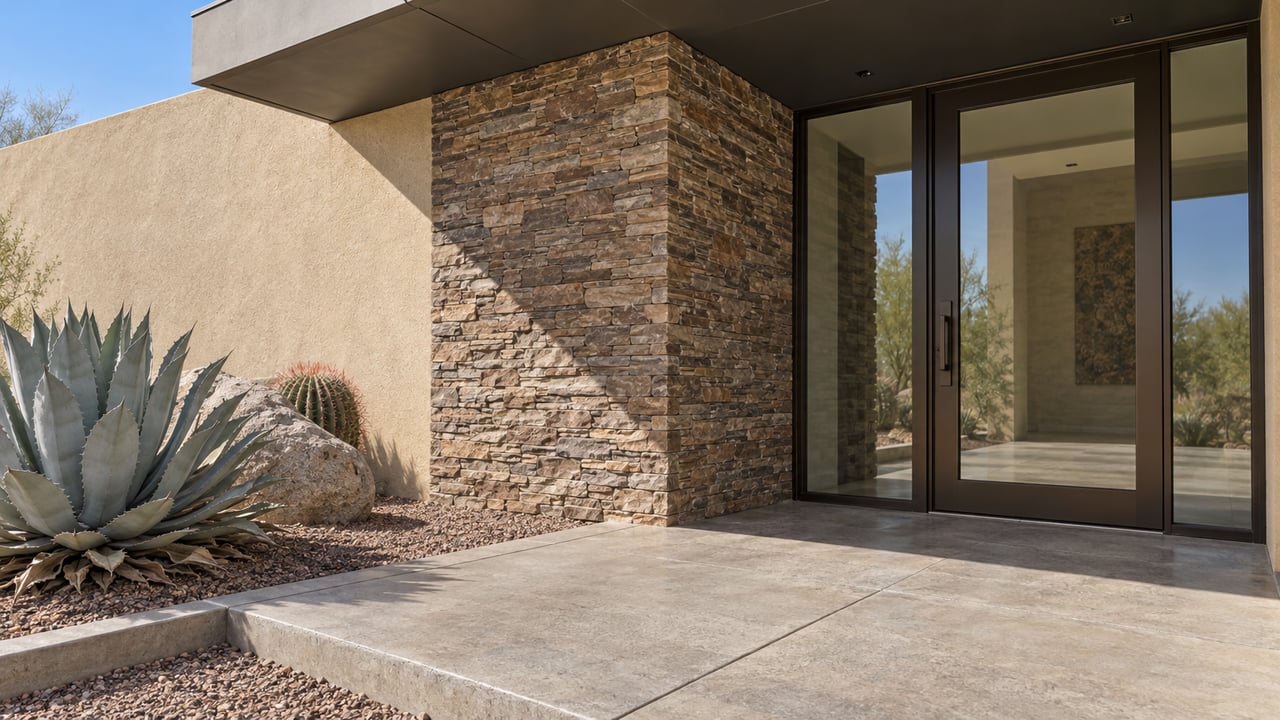
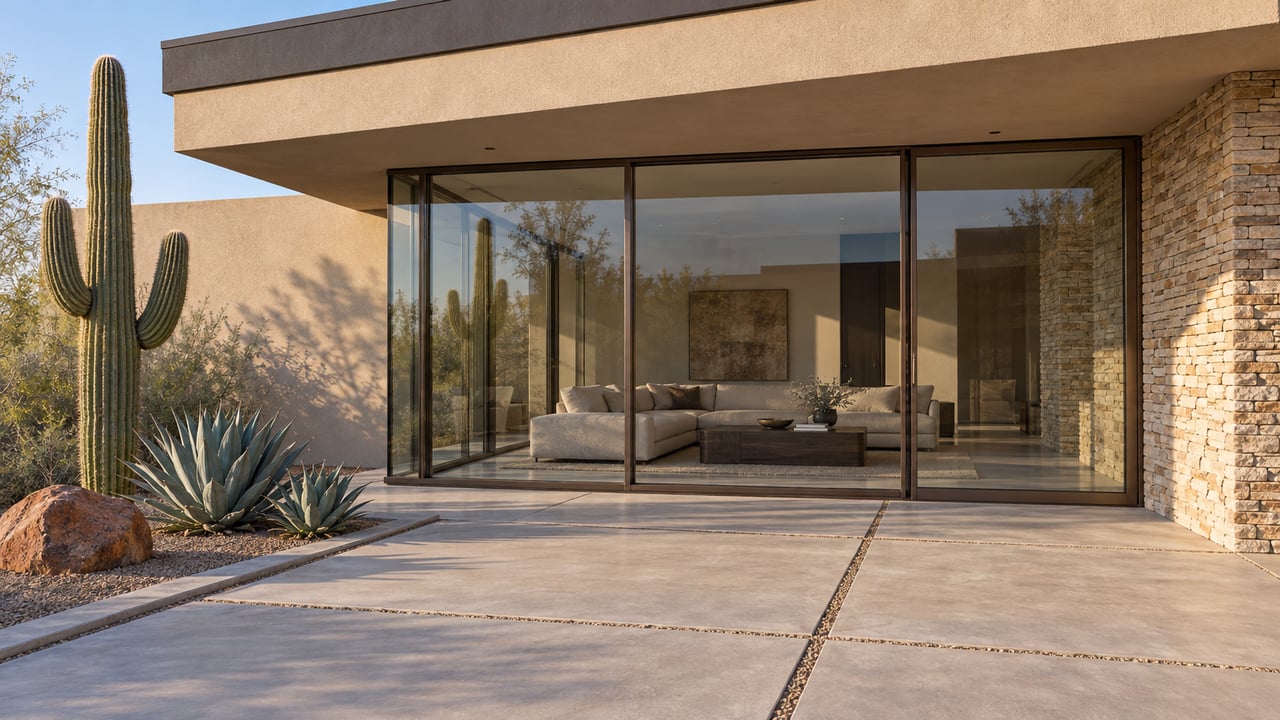
For you as a buyer, that means North Phoenix can offer very different day-to-day experiences. You might prefer an established area with mature surroundings and nearby parks, or you may want a newer community with a more planned layout and desert views. The right fit often comes down to how you want your week to function.
Desert Ridge Has A Built-In Hub
Desert Ridge stands out because it has a more self-contained lifestyle pattern. The city describes this area as a higher-density core along Loop 101 with retail, office space, condominiums, and master-planned communities.
That setup can make life feel more streamlined. Instead of driving across several parts of North Phoenix for daily needs, you may find more of your routine concentrated in one general area. For buyers who want convenience without giving up the North Phoenix setting, that can be a major plus.
Commuting Usually Starts With Freeways
Driving Is Part Of The Routine
In North Phoenix, commuting is usually freeway-oriented. City village descriptions repeatedly point to regional freeway access, and North Gateway specifically notes easy access to multiple freeways for travel across the state.
In practical terms, many residents organize their schedules around drive times and freeway corridors. That does not mean every trip is long, but it does mean your experience of convenience often depends on how close you are to the routes you use most. If you are relocating, commute mapping matters here.
As a general citywide benchmark, Phoenix workers averaged a 25.6-minute commute in the 2020 to 2024 American Community Survey. That figure is for the city overall, not North Phoenix alone, but it gives you a useful frame of reference as you compare neighborhoods.
Transit Is Strongest Near Metrocenter
Transit is most visible around Metrocenter and Metro Parkway. Valley Metro opened the Northwest Extension Phase II on January 27, 2024, extending light rail to Metro Parkway and adding a new transit center, a rail-only bridge over I-17, and bus connections.
The Metro Parkway Park and Ride includes 263 covered spaces, and the transit center is served by five bus routes. The city also says the Metro District is being shaped into a more connected, transit-friendly future.
If transit access matters to you, this part of North Phoenix may feel different from more freeway-dependent areas farther out. It adds another option for commuting and errands, even though the broader North Phoenix pattern is still largely car-oriented.
Errands Happen In Major Shopping Hubs
Expect Centers, Not One Main Street
North Phoenix does not revolve around one traditional downtown main street. Instead, everyday errands tend to cluster around larger retail and dining centers.
Desert Ridge Marketplace includes shopping, restaurants, health and fitness options, entertainment, and more than 100 brands. The Shops at Norterra lists 52 businesses, while Happy Valley Towne Center positions itself as a destination for day-to-day necessities, shopping, and dining.
This layout shapes how a normal week feels. Rather than walking from your house to a row of small shops, you are more likely to bundle errands into one drive and handle several stops in one outing. For many residents, that is simply part of the North Phoenix routine.
Metrocenter Is Evolving
The former Metrocenter site is changing the feel of part of North Phoenix. The City of Phoenix says the redevelopment now known as The Metropolitan will bring townhomes, retail spaces, restaurants, parks, and bike paths to the corridor.
That matters because it may add more mixed-use convenience over time. While North Phoenix still functions largely in a hub-and-spoke pattern, some areas are becoming more connected and layered in how people live, shop, and move around.
Outdoor Life Is A Big Part Of The Appeal
Trails And Preserves Are Close By
Outdoor recreation is one of the clearest lifestyle advantages in North Phoenix. The City of Phoenix says the city has more than 41,000 acres of desert parks and mountain preserves and more than 200 miles of trails.
For North Phoenix specifically, the Sonoran Preserve covers more than 9,600 acres and includes 36 miles of trails. Deem Hills adds nearly 1,000 acres of Sonoran Desert, a 5.7-mile circumference trail, and basalt volcanic rock formations.
North Mountain also offers direct access to the Phoenix Mountain Preserve system, along with neighborhood parks and canal paths. In Sunnyslope, the Arizona Canal Path runs through the area and is nearly 70 miles long.
For daily life, that means outdoor activity is not just an occasional weekend plan. Hiking, trail running, biking, dog walking, and evening walks can become part of your normal routine, depending on where you live.
The Seasons Shape Your Schedule
Heat is a real part of life in Phoenix, and it affects how people use outdoor space. The city emphasizes heat-response resources and mitigation, while the National Weather Service describes periods of high to very high heat risk.
That usually means your routine shifts with the seasons. In hotter months, people often lean toward early-morning walks, evening outings, pool time, and indoor errands during the warmest part of the day. In cooler months, outdoor living tends to open up much more.
If you are moving from out of state, this is one of the biggest lifestyle adjustments to understand. North Phoenix offers strong access to desert recreation, but your timing matters.
What Daily Life Often Feels Like
Convenience With Space
For many residents, North Phoenix offers a balance of space, access, and convenience. You may have more separation between residential areas, shopping hubs, and work centers than you would in a denser urban neighborhood, but you also gain room to spread out and easier access to desert landscapes.
That can be especially appealing if you want a suburban setting with practical amenities nearby. Depending on the subarea, you may find a routine built around school runs, freeway commutes, one-stop retail centers, and quick access to trails or parks after work.
Different Pockets, Different Rhythms
There is no single North Phoenix lifestyle. North Mountain, Deer Valley, Desert View, and North Gateway each bring a different mix of housing, land use, and daily patterns.
That is why neighborhood guidance matters. If you are deciding where to live, it helps to look beyond the mailing address and focus on how each area supports your work commute, errand style, outdoor habits, and housing preferences.
North Phoenix can be a great fit if you want suburban-desert living with strong retail hubs, varied housing choices, and access to parks and preserves. The key is finding the pocket that matches the way you actually live.
If you are exploring North Phoenix and want help narrowing down the right area for your lifestyle, Andy Berglund can help you compare neighborhoods, home types, and daily-life tradeoffs with a local, consultative approach.
FAQs
What is daily life like in North Phoenix neighborhoods?
- Daily life in North Phoenix neighborhoods is usually spread out, suburban, and convenience-driven, with routines often centered on freeway access, large shopping hubs, and nearby parks or preserves.
What types of homes are common in North Phoenix?
- North Phoenix includes a wide mix of homes, from established neighborhood housing and suburban subdivisions to condos, master-planned communities, large-lot homes, and some horse properties in farther north areas.
Is North Phoenix easy for commuting?
- North Phoenix is generally set up for freeway-based commuting, and many residents think in terms of drive times and access to major routes when choosing where to live.
Does North Phoenix have public transit options?
- Public transit is most visible around Metrocenter and Metro Parkway, where the light rail extension and transit center add rail, bus, and park-and-ride options.
What are errands like in North Phoenix?
- In North Phoenix, errands are often handled at large retail and dining centers like Desert Ridge, Norterra, and Happy Valley Towne Center rather than along one central main street.
What outdoor recreation is available in North Phoenix?
- North Phoenix offers access to preserves, trails, canal paths, and parks, including the Sonoran Preserve, Deem Hills, and parts of the Phoenix Mountain Preserve system.
How does summer heat affect life in North Phoenix?
- Summer heat often shifts daily routines toward early mornings, evenings, pool time, and indoor daytime activities, while cooler seasons support more outdoor living and recreation.