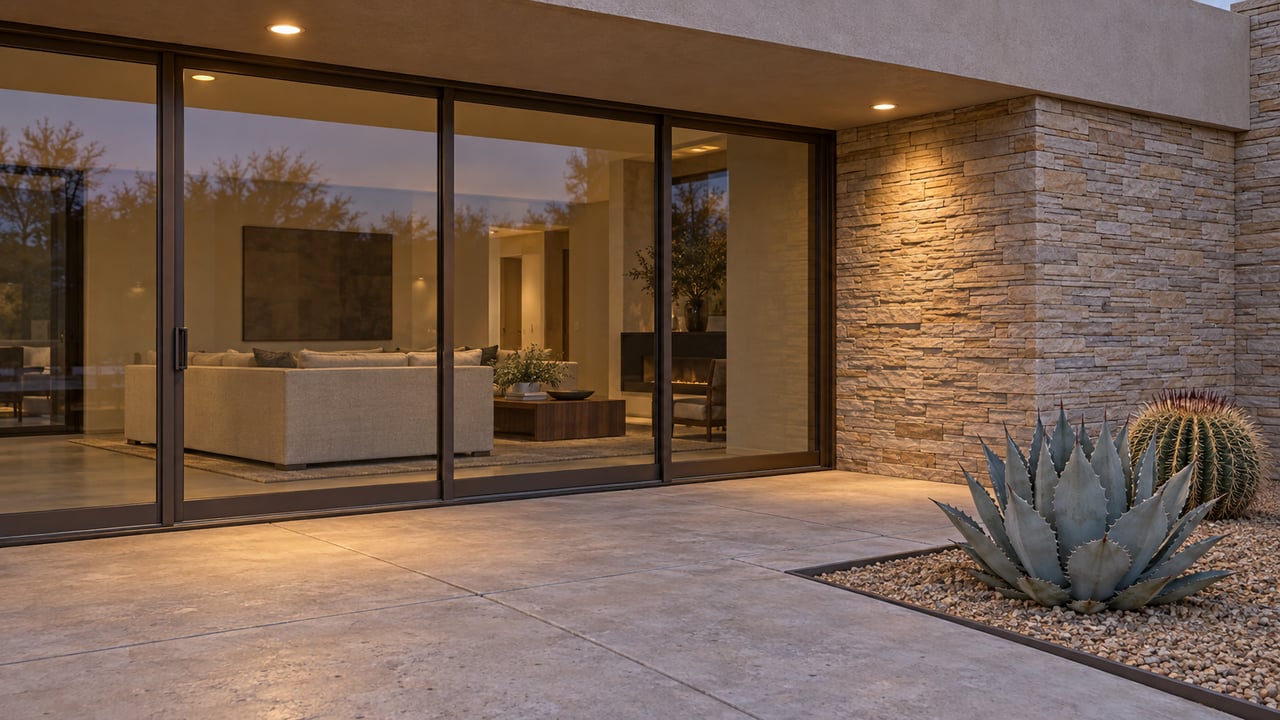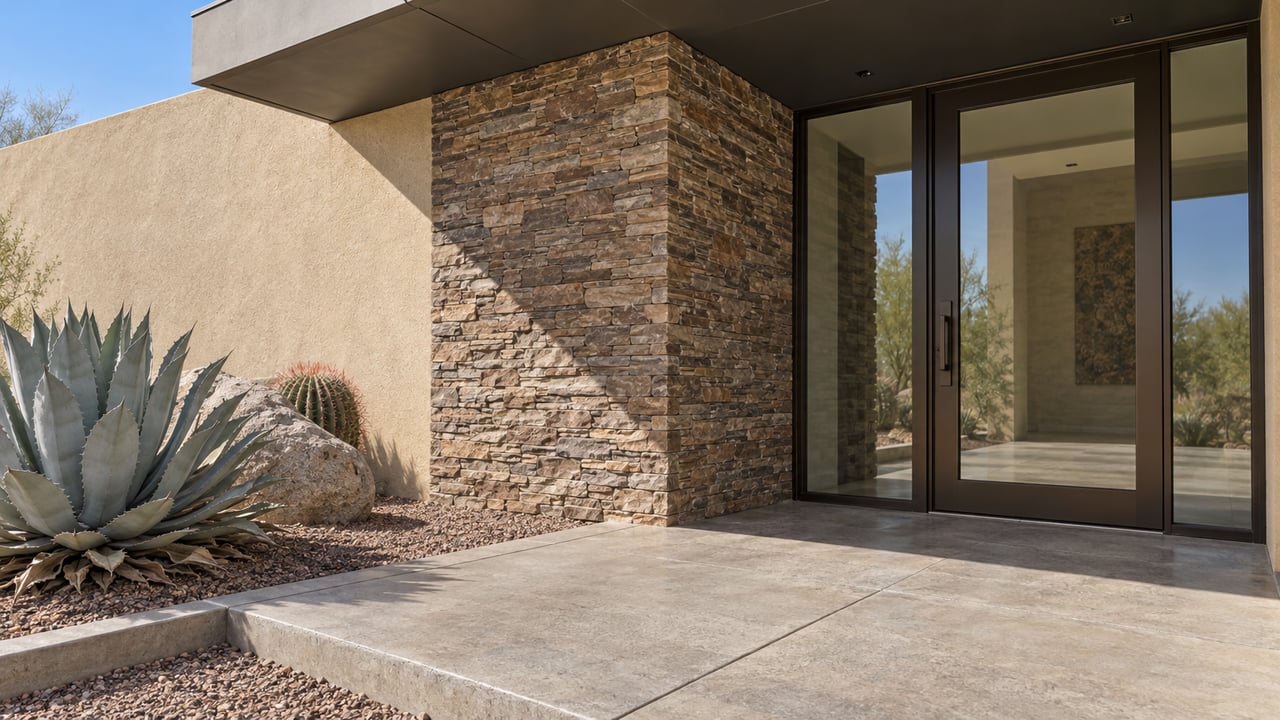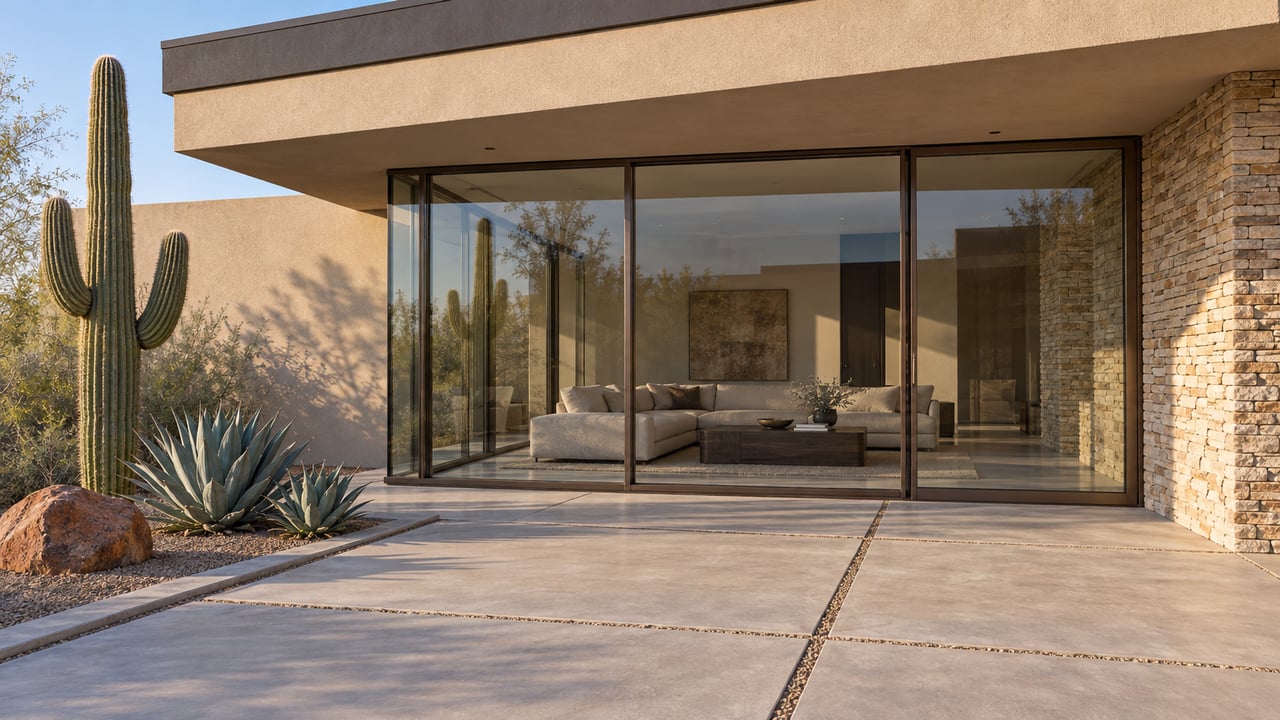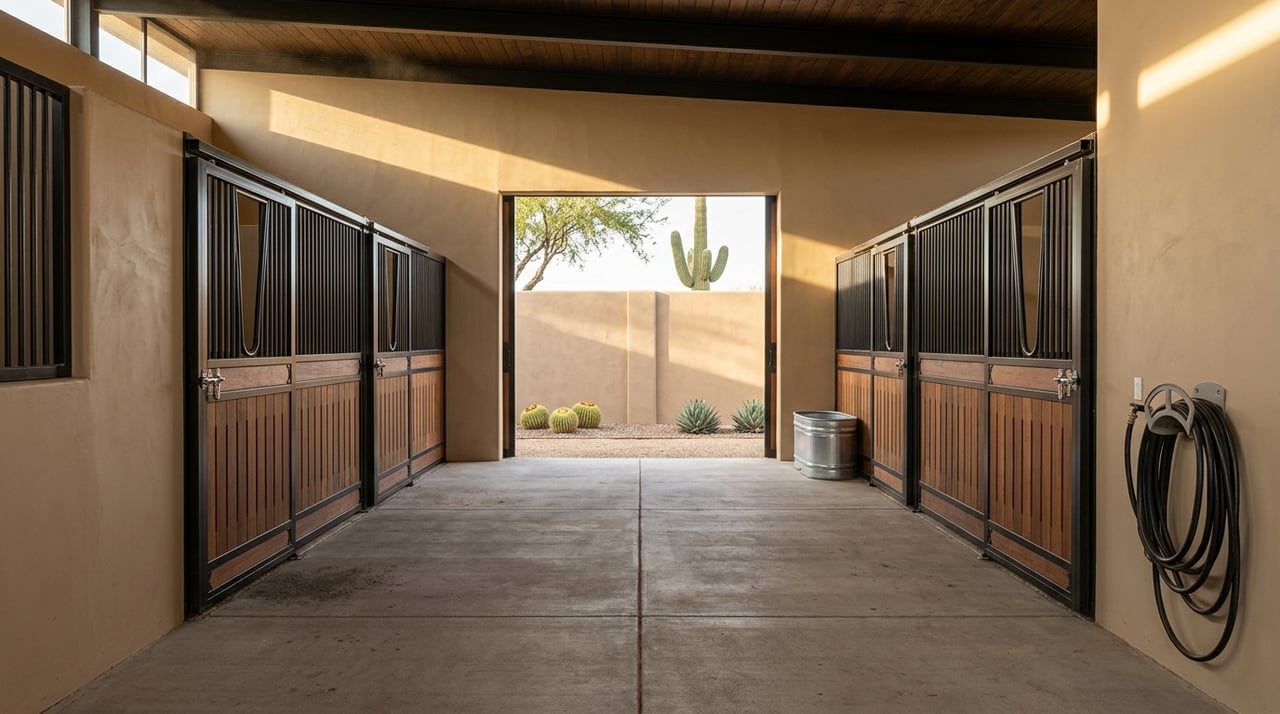
Selling a horse property in Cave Creek is not the same as selling a typical home. Buyers in this niche are not just looking at square footage and finishes. They are also studying trail access, usable land, horse facilities, access for trailers, and whether the property’s setup matches what is actually allowed. If you want to attract the right buyer and protect your sale from avoidable surprises, your marketing plan needs to be sharp, accurate, and local. Let’s dive in.
Start With Jurisdiction First
One of the most important first steps is confirming exactly where the property sits. A Cave Creek mailing address or 85331 ZIP code does not automatically mean the parcel is within the Town of Cave Creek.
Some properties in 85331 may fall within Cave Creek, Carefree, Phoenix, Scottsdale, or unincorporated Maricopa County. That distinction matters because zoning, oversight, utility questions, water details, and even disclosure expectations can vary by jurisdiction.
Before you market horse rights, boarding potential, or land use flexibility, verify the parcel’s actual jurisdiction. This helps you avoid overstating what the property can do and gives buyers more confidence in the information they are seeing.
Price It As a Horse Property
A horse property should be priced as a niche offering, not as a generic Cave Creek home. Broad market numbers can give useful context, but they do not tell the whole story for equestrian listings.
In March 2026, Redfin reported a median sale price of $1,062,500 for the broader Cave Creek market, with a median 53 days on market and 31.9% of homes seeing price drops. In contrast, Redfin’s Cave Creek equestrian-estate search showed only four active listings, with a median list price of $1.48 million and a median 91 days on market.
That gap shows why horse-property pricing needs its own comp set. If you rely too heavily on the townwide median, you may undervalue a functional equestrian setup or miss what buyers will pay for usable horse infrastructure.
At the same time, the broader price-drop rate is a warning against overpricing. A horse property can be unique, but if it starts too high, it can sit long enough to lose momentum.
What Buyers Really Compare
Horse-property buyers often look beyond the house itself. They compare practical features that affect daily use, maintenance, and rideability.
Key value drivers often include:
- Usable acreage
- Water source and water documentation
- Trailer access and driveway approach
- Barn, stalls, tack and feed storage
- Wash racks and turnout areas
- Arena condition and footing
- Fencing and shade
- Access to trails and nearby riding opportunities
- Legal status of horse facilities and uses
Lead With Cave Creek’s Equestrian Lifestyle
Cave Creek’s trail system is a real marketing asset for horse properties. The town highlights trails that connect neighborhoods to the Town Core, Spur Cross Ranch Conservation Area, Cave Creek Regional Park, and Desert Foothills Land Trust properties.
The town also notes that horses have the right-of-way on shared trails and that trails within Cave Creek are non-motorized only. Spur Cross offers more than seven miles of trails, while Cave Creek Regional Park offers more than 11 miles.
That means trail adjacency and rideability are legitimate selling points when they apply to a property. If a buyer can understand how the parcel connects to the local riding lifestyle, the listing becomes more compelling.
How To Talk About Trail Access
When trail access is relevant, be specific and factual. Avoid vague lifestyle claims and focus on what the property offers in practical terms.
Strong marketing language may center on:
- Proximity to Cave Creek’s non-motorized trail system
- Access routes from the property to nearby riding areas
- Nearby connections to Spur Cross Ranch Conservation Area
- Nearby connections to Cave Creek Regional Park
- The ease of trailering versus riding out directly from the property
This approach helps buyers picture how they would actually use the property.
Show the Entire Property Clearly
Professional presentation matters, especially on acreage. Buyers need to understand the land, the horse setup, and how everything works together.
General staging guidance from NAR emphasizes highlighting strengths, helping buyers envision themselves in the home, and paying close attention to outdoor spaces. For a horse property, that means your visual package should do much more than show a pretty kitchen and a front elevation.
You want buyers to quickly grasp how the parcel functions. The photos should help them see the scale, layout, and usability of the site.
Photos To Prioritize
Your marketing package should make these features easy to evaluate:
- Acreage and overall parcel layout
- Entry gate and gate width
- Driveway circulation for trucks and horse trailers
- Barn exterior and interior
- Stalls and run-outs
- Tack and feed storage
- Wash areas
- Turnout spaces
- Arena size and footing
- Fencing type and condition
- Shade structures
- Water points or irrigation areas
- Relationship between the house and horse facilities
Access photos are especially important. Arizona land disclosures ask about access and road maintenance, so visuals should help buyers judge whether a trailer, delivery truck, or emergency vehicle can reach the usable parts of the property.
Staging and Virtual Staging
If the interior is vacant or difficult to read, virtual staging can help buyers understand the home. But any photo enhancement that materially changes the property should be disclosed.
That principle matters even more on horse property. You want polished marketing, but you do not want to disguise the true condition of the barn, arena, fencing, or land.
Build a Strong Disclosure Package
In Arizona, disclosure is not something to handle at the last minute. For horse properties, a strong marketing plan should include a thoughtful disclosure file from the beginning.
The Arizona Department of Real Estate advises buyers to read the seller’s property disclosure report and purchase contract carefully. ADRE also states that licensees must disclose material defects, liens, and other material adverse facts.
For a horse property, that should be interpreted broadly. Buyers will want clear information about conditions that affect value, safety, or daily use.
Disclosures That Matter on Horse Property
Depending on the parcel and improvements, important issues may include:
- Drainage patterns
- Arena footing condition
- Fencing condition
- Water systems
- Septic or wastewater treatment
- Legal and physical access
- Road maintenance responsibility
- Floodplain status
- Expansive soils or fissures
For certain raw acreage or small-parcel land in unincorporated county areas, Arizona law may require a written affidavit of disclosure at least seven days before transfer, with a five-day rescission period after receipt. That affidavit addresses issues like access, road maintenance, floodplain status, and expansive soils or fissures.
Arizona law also allows third-party disclosure reports to cover flood hazard areas, airports, special assessments, radon, environmental superfund sites, and other site conditions. For horse acreage, these details can be just as important as the lifestyle appeal.
Verify Zoning Before You Market Uses
This is where many horse-property listings can go sideways. A private horse setup does not always mean the property can support boarding, lessons, rentals, or events.
Maricopa County distinguishes between limited equestrian uses that are accessory to a single-family residence in rural districts and more intensive equestrian uses that may require special-use approval. The county specifically notes that boarding six or more horses, riding lessons, horse rentals, off-site trail rides, and public riding or boarding stables may require that added approval.
The county also states that corrals for unattended horses in residential zoning districts must be set back 40 feet from property lines and provide at least 1,200 square feet per horse area. Those are not details to gloss over in marketing copy.
Safe Marketing Language Matters
If zoning support is not confirmed, do not imply:
- Boarding income potential
- Training income potential
- Lesson program potential
- Event use potential
- Commercial stable operation
Instead, describe the existing improvements factually. That protects you, reduces confusion, and builds trust with serious buyers.
Document Water Clearly
Water can be one of the biggest questions on Cave Creek acreage. Buyers may care as much about water documentation as they do about the horse facilities themselves.
ADRE advises land buyers to ask for the Arizona Department of Water Resources report and determine whether the property has an assured or adequate water supply, depending on whether it is inside or outside an Active Management Area. ADWR explains that both programs evaluate a 100-year water supply.
ADRE also advises buyers to confirm that water runs properly and that irrigation operates as expected. If your property has horse facilities, wash areas, turnout irrigation, or other outdoor infrastructure, clear water information can make the listing far more credible.
Target the Right Buyer Pool
The likely buyer for a Cave Creek horse property is niche, but not necessarily narrow. You may be speaking to an equestrian buyer, an acreage buyer, or a buyer drawn to privacy, trail access, and functional outdoor infrastructure.
That is why your marketing should balance lifestyle and utility. Beautiful desert imagery and strong home presentation help, but buyers in this segment also want facts, layout, and legal clarity.
A high-quality marketing plan should do five things well:
- Verify the parcel’s exact jurisdiction.
- Price against horse-property comps, not just the overall Cave Creek median.
- Present the land and improvements honestly with professional photography.
- Assemble the right disclosure package early.
- Avoid implying commercial equestrian use unless zoning supports it.
Why Precision Wins in Cave Creek
Horse-property buyers tend to be detail-oriented because they have to be. They are not only buying a home. They are evaluating whether the property will work for horses, equipment, trailers, and day-to-day use.
That is why the best marketing for a Cave Creek horse property is both polished and precise. When your pricing is grounded, your photos are informative, your disclosures are organized, and your claims are accurate, you give buyers fewer reasons to hesitate.
If you are preparing to sell a horse property in Cave Creek, a tailored strategy can make a meaningful difference in how your property is understood and how strongly it competes. For personalized guidance and a marketing-first plan built for your property, connect with Andy Berglund.
FAQs
What makes marketing a horse property in Cave Creek different from marketing a standard home?
- Horse-property buyers usually evaluate trail access, usable acreage, horse facilities, trailer access, water, and zoning just as closely as they evaluate the home itself.
Why does jurisdiction matter for a Cave Creek horse property listing?
- A 85331 address may fall within Cave Creek, Carefree, Phoenix, Scottsdale, or unincorporated Maricopa County, and that can affect zoning, disclosures, utilities, and allowed uses.
How should a Cave Creek horse property be priced?
- It should be priced using horse-property comps that account for acreage, access, water, facilities, and legal use rather than relying only on the broader Cave Creek median home price.
What photos are most important for a Cave Creek horse property listing?
- Buyers need clear images of the acreage, access points, driveway and trailer approach, stalls, barn areas, fencing, turnout, arena, shade, water points, and the relationship between the house and horse facilities.
Can you advertise boarding or riding lessons at a Cave Creek horse property?
- Only if zoning and approvals support those uses, because Maricopa County may require special-use approval for more intensive equestrian activities.
What disclosures matter most for horse property in Arizona?
- Buyers often focus on access, road maintenance, drainage, floodplain status, water systems, septic or wastewater treatment, fencing, footing, and other site conditions that affect use and value.